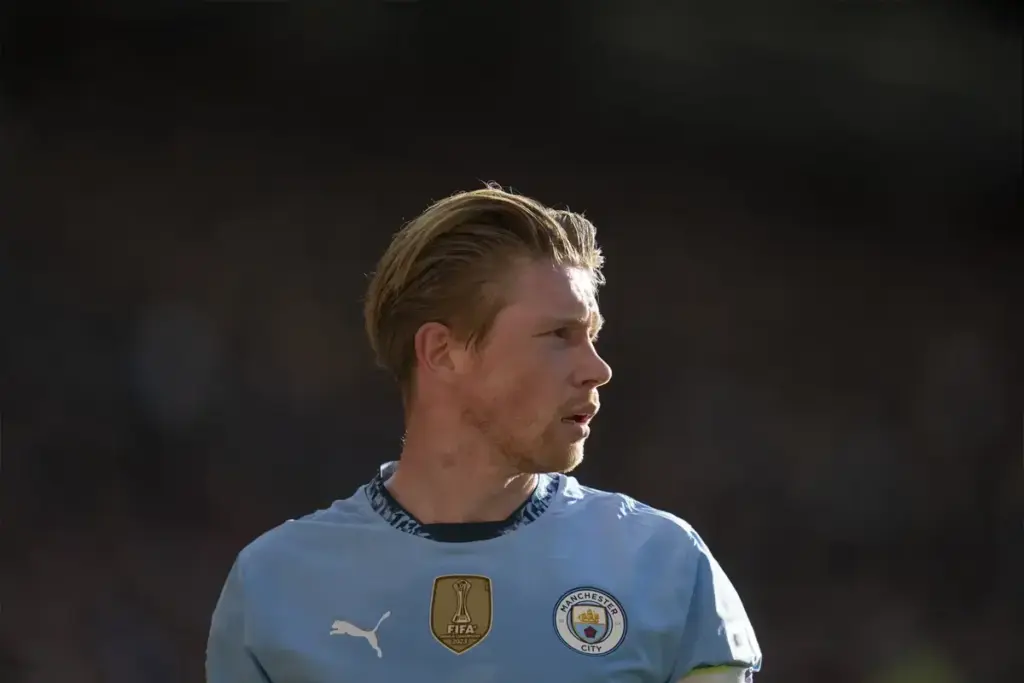

When Kevin De Bruyne left City in the summer of 2025, the immediate question was obvious.
How do you replace one of the greatest midfielders in Premier League history?
A year on, City have shown they can.
The squad has evolved, new signings have settled and the team has adapted without the Belgian’s vision and passing range. There has been no attempt to replace De Bruyne like-for-like because, in truth, there is no direct replacement.
Instead, City have moved forward.
Now, however, Enzo Maresca faces a different challenge.
Replacing De Bruyne the footballer was always going to be difficult. Replacing De Bruyne the leader may prove even harder.
Leadership cannot be bought
City’s success has never been built around just one voice.
Vincent Kompany set the standard before handing over to Fernandinho. Fernandinho’s influence was followed by Ilkay Gundogan, while De Bruyne became one of the senior figures in a dressing room that demanded excellence every day.
That succession happened naturally.
This time, the picture is not so clear.
Ruben Dias has all the qualities of a defensive leader. His communication, authority and willingness to organise those around him have made him one of City’s most influential figures since arriving from Benfica.
Rodri leads differently.
The Spain international rarely needs to raise his voice. His control of matches, consistency and composure have earned the respect of team-mates, while his importance to City’s midfield has become increasingly obvious over recent seasons.
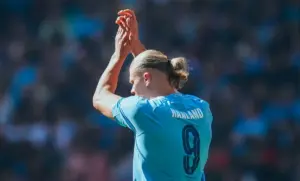
Then there is Erling Haaland.
His leadership comes through standards rather than stirring speeches. The Norwegian’s relentless drive to improve and expectation of those around him give him a growing influence within the squad as one of the club’s senior players.
Maresca must shape the next generation
The challenge for Maresca is not finding one successor to De Bruyne.
It is building another leadership group.
City’s dressing room has long been one of the club’s greatest strengths. Experienced players have driven standards, held teammates accountable and protected the culture that underpinned years of success.
That cannot be replaced easily.
It develops over time through experience, trust and responsibility.
As new players establish themselves and younger members of the squad take on greater responsibility, Maresca will hope the next generation of leaders emerges naturally.
Because while City have already shown they can win without De Bruyne on the pitch, the longer-term challenge is ensuring his influence off it is not lost as well.
The football has already moved on from the Belgian magician.
Now City must ensure the dressing room does the same.

Comments.
Loading comments…