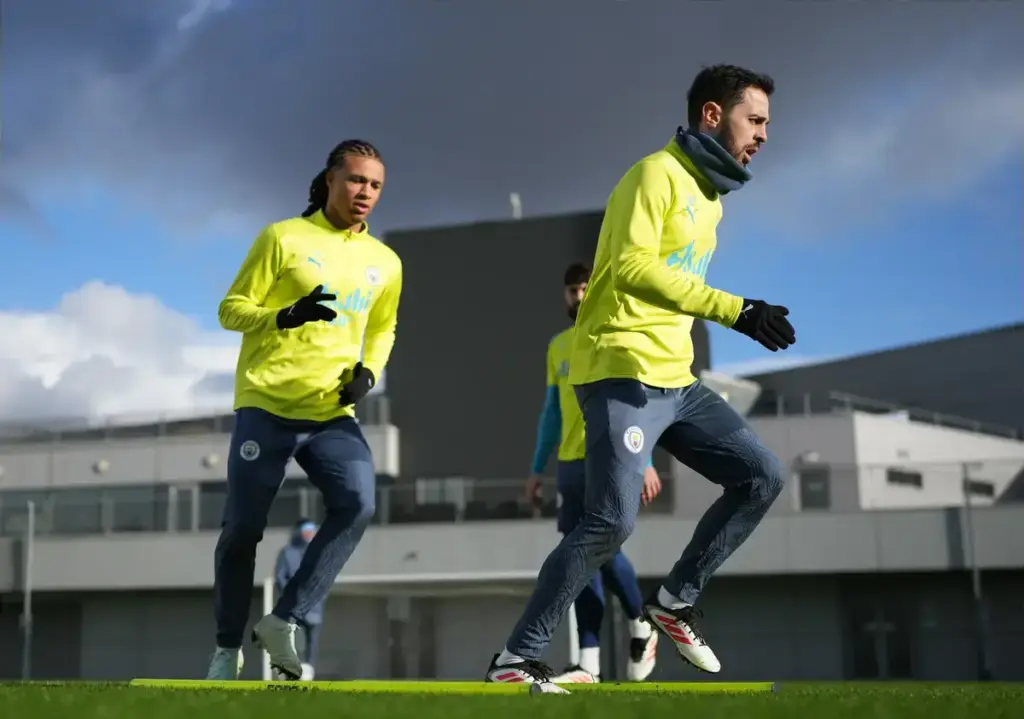

Man City are losing more first-team players this summer than at any point since Pep’s arrival transformed the club.
Four senior players have already left. Two more look set to follow. And the club’s best midfielder remains without a new contract, even with the most obvious threat to his future now receding.
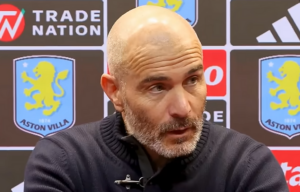
Enzo Maresca inherits a squad being rebuilt from a position most managers never face: not addressing weaknesses, but replacing strength.
Departures already confirmed…
Manuel Akanji’s move to Inter Milan came via a triggered purchase option following the Italian club’s Serie A title win — a clean exit, and one City had little control over once the clause was activated.
Bernardo Silva’s free transfer to Real Madrid closed out nine years of Premier League football, the vast majority of it played at the very highest level. John Stones was released after a decade at the club, his City career ending not with a transfer fee but with a free release — since followed by reported interest from Everton, Juventus, Inter and Milan, though hesitation from all three, possibly wage-based, suggests his next move isn’t clear-cut.
Nathan Ake’s departure to Fenerbahçe completes the group. Four players, well over a combined thirty years of first-team experience at City, all gone inside a matter of weeks.
Exits still to come…
Rico Lewis looks like the next to leave, with City prepared to sanction a sale as Nottingham Forest interest builds. His standing shifted quickly once Elliot Anderson arrived above him in the midfield pecking order — a reminder that this rebuild isn’t only removing ageing legs, but also sifting out players who simply no longer fit the squad Maresca is establishing.
James Trafford’s situation is unresolved but points the same way. Newcastle remain the clearest suitors, with Aston Villa and Tottenham also credited with interest. Trafford is understood to want clarity on his role before deciding whether to push for an exit — a conversation City will need to have when he returns from the World Cup.
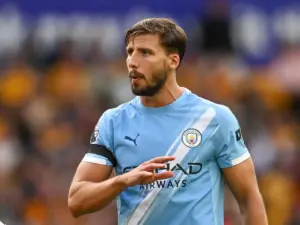
Then there’s Rodri. Real Madrid have reportedly ruled out a move this summer, according to Fabrizio Romano, easing what would have been by far the most damaging departure of the window. But a new contract offer has sat on the table since April without being signed, and no financial agreement has been reached.
City have avoided the immediate crisis but haven’t solved the underlying one. Rodri could still leave for nothing in 2027 if the current stand-off continues.
Omar Marmoush rounds out the group of uncertainties. Atletico Madrid have identified him as a leading target, and Maresca is reportedly open to a sale in the region of €60m.
Who’s arriving to replace them…
City’s business has been far from passive. Elliot Anderson’s British-record £116m move from Forest was the marquee arrival, and the framing around him has been notable — sources close to the club describe him as capable not just of playing alongside Rodri, but of eventually replacing him in the side altogether.
That’s a big statement around what City think they’re building toward, whether or not Rodri’s contract situation resolves cleanly.
Elsewhere, the incomings have been mainly youngsters. Jeremy Monga’s £12.5m arrival from Leicester and Mishel Nduka’s move from Arsenal both came at the Gunners’ expense inside the same week — but pointed to a pattern of City winning races for players Arsenal wanted to keep.
Pierce Charles arrives to strengthen the goalkeeping department behind Gianluigi Donnarumma, and academy prospect Heaven Kilwa has joined from Aston Villa.
Josko Gvardiol’s new contract until 2031, meanwhile, is arguably as significant as any transfer completed — a genuine win that closes down Real Madrid’s interest in one of City’s most important defenders.
Malo Gusto remains unresolved. Personal terms were reported as agreed weeks ago, but the move has since stalled over Chelsea’s £75m valuation, with Bayern Munich now also circling.
It’s a clear example of City’s willingness to walk away from a deal rather than meet a price they consider excessive, even one built on a managerial relationship.
What kind of squad is this becoming?
The scale of turnover asks the obvious question: is this simply the natural cycle of an ageing squad being refreshed, or does it represent something more deliberate — a genuine changing of the guard under a new manager building his own identity rather than inheriting Pep’s?
The evidence suggests the latter. Akanji, Silva, Stones and Ake were not squad players moved on for financial reasons. They were established internationals, several of them central to City’s most successful period.
Replacing that calibre of departure with academy prospects, a British-record midfielder and a handful of unresolved contract situations is a considerably bigger undertaking than your average summer refresh.
Maresca’s first season will be judged, fairly or not, against the standard City set under Pep. Whether this summer’s business gives him the foundation to meet that standard, or simply the platform to begin building toward it, won’t be clear until the football actually begins.


Comments.
Loading comments…