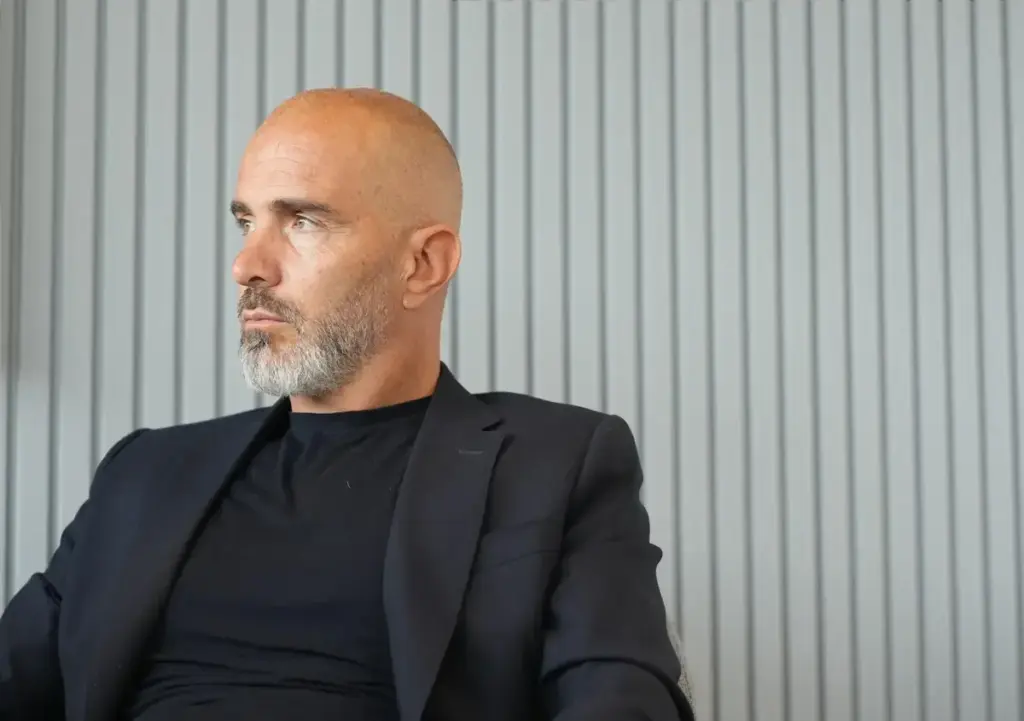

City begin the new season in unfamiliar territory.
For the first time in almost a decade, Pep Guardiola will not be in the dugout. Enzo Maresca inherits a squad that has won almost everything at club level, but also one that now requires careful evolution rather than wholesale change.
Maresca knows the club’s philosophy better than most, having previously worked within City’s coaching structure before establishing himself in his own right. That continuity should ensure supporters don’t witness a major shift in style, but it would be equally surprising if City stood still.
Every new manager leaves an imprint. The interesting bit is where Maresca chooses to make his.
A new era built on familiar foundations
City’s identity is unlikely to disappear overnight.
Possession, positional flexibility and control have become hallmarks of the club over the past decade and remain central to the way Maresca wants his teams to play. The challenge is adapting those principles while refreshing a squad that has delivered sustained success.
Rodri will remain the heartbeat of the midfield, while Ruben Dias is expected to continue as one of the dressing room’s leading voices. Around them, however, opportunities are beginning to emerge for a younger generation.
Rico Lewis appears perfectly suited to Maresca’s tactical approach. Comfortable in midfield as well as defence, his intelligence and versatility could make him one of the biggest beneficiaries of the managerial change.
Oscar Bobb is another player supporters will hope to see more regularly after injury disrupted his progress, while Claudio Echeverri arrives with considerable expectation following his long-awaited move to the Etihad.
City’s summer recruitment also points towards the future. Elliot Anderson’s arrival signals a clear intention to lower the average age of the squad without compromising quality, while interest in Leicester City teenager Jeremy Monga reflects the club’s continued commitment to identifying elite young talent before the wider market catches up.
Evolution rather than revolution
One of Guardiola’s greatest achievements was ensuring City never stood still.
Even after winning major honours, the squad continued to evolve through intelligent recruitment and the gradual introduction of younger players. Maresca now faces the challenge of continuing that process while establishing his own authority.
There will inevitably be tactical tweaks. There always are when a new manager arrives. Yet the broader objective remains unchanged.
Manchester City are not rebuilding from scratch.
Instead, they are entering the next phase of a project that has already transformed the club into one of European football’s best.
The coming months will reveal which players emerge as the faces of that new era. Lewis, Bobb, Echeverri and Anderson all have compelling cases to become central figures under Maresca, while established leaders such as Rodri and Dias will provide the platform on which the next City side is built.
Replacing Pep was/is never going to be straightforward.
The task facing Maresca is different.
It is not about reinventing City. It is about ensuring the standards set over the past decade continue long into the future.



Comments.
Loading comments…